
The Influence of Emotions on Game Selection
Emotions play a pivotal role in determining how players choose their casino games. The thrill of winning and the excitement associated with risk-taking can often drive a player toward specific games, such as slots or roulette. In the search for fun and engagement, many look for vegas slots online to heighten their experience. The emotional highs and lows experienced during gameplay can also lead to a strong attachment to certain games, creating a cycle where players return for that emotional rush, whether it be joy, fear, or anticipation.
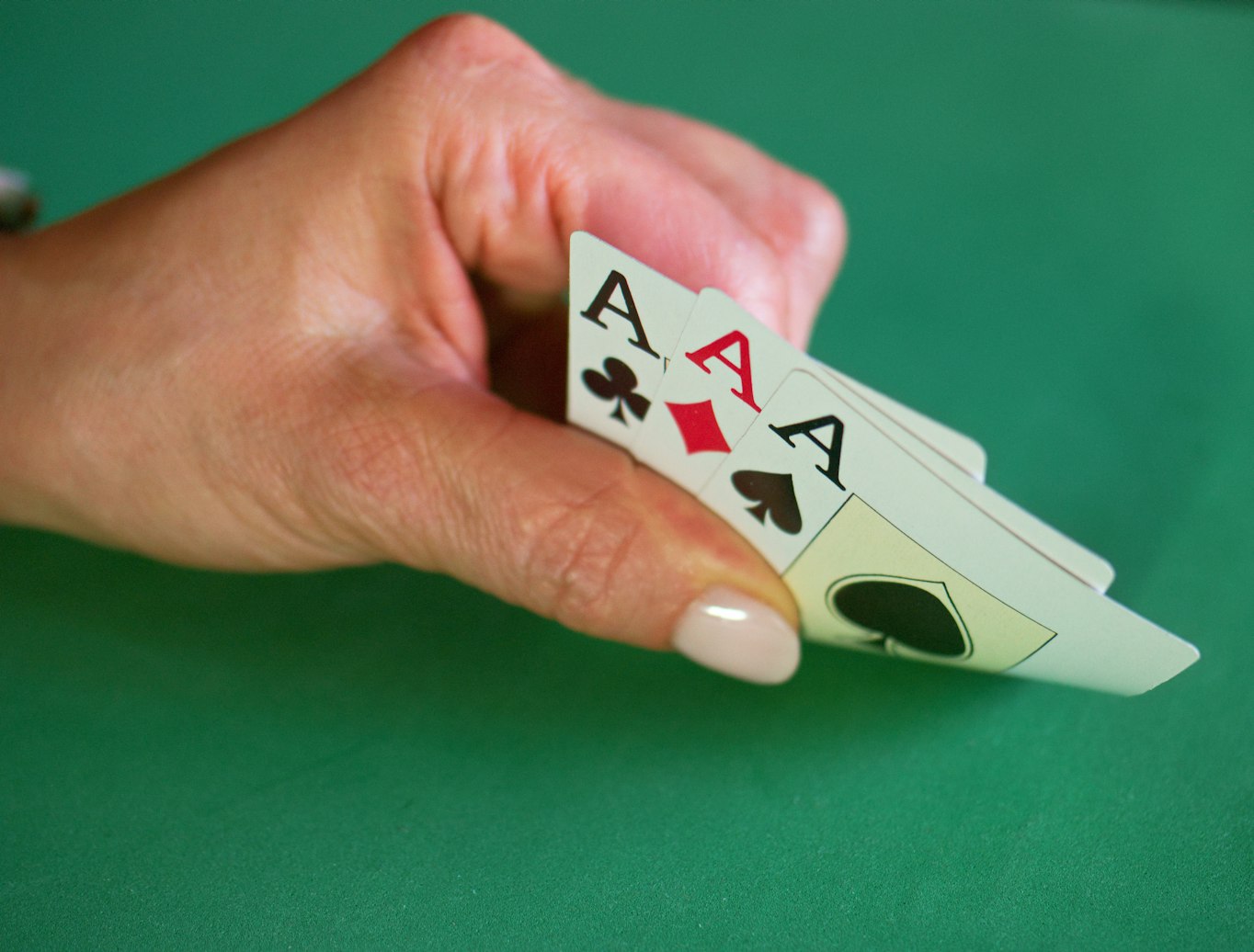
Moreover, social experiences can amplify these emotions. For many players, the social environment of a casino enhances the excitement, making them more likely to choose games that are popular among peers or that allow for interactive play. This emotional component can often overshadow logical decision-making, leading players to favor their favorites rather than considering odds or strategies.
The Role of Cognitive Biases in Game Choices
Cognitive biases significantly impact how players perceive their chances of winning. One common bias is the “gambler’s fallacy,” where individuals believe that past events influence future outcomes in games of chance. For instance, a player may avoid a particular slot machine after several losses, convinced it is “due” for a win. This misunderstanding of probability can greatly affect game choice and lead to behavior that strays from rational decision-making. Such biases often go unnoticed but profoundly influence how players choose their games.
Another cognitive bias is the illusion of control, where players feel they can influence outcomes through their actions, such as choosing when to bet or how much to wager. This belief can lead to a preference for skill-based games, like poker. The idea that one’s decisions can lead to favorable outcomes encourages players to choose games that allow for perceived control, despite the inherent randomness in many casino games.
The Impact of Game Design on Player Choices
The design of casino games, including visual appeal and sound effects, plays a critical role in influencing player behavior. The colorful graphics and engaging soundtracks of slot machines are specifically designed to captivate players and keep them engaged. This sensory experience can make players more inclined to choose certain games over others, as they seek out those that provide a stimulating environment. Additionally, clever design strategies can effectively affect player preferences.
Furthermore, the concept of near misses—when a player comes close to winning but does not—can encourage continued play. This design element stimulates a psychological response that can lead players to believe that they are “close” to a win, influencing their choice to stick with a particular game in hopes of a breakthrough. Such clever design strategies effectively shape player preferences and behaviors in the casino landscape.
The Social and Cultural Dimensions of Game Preferences
The choices players make in casinos are heavily influenced by their social and cultural backgrounds. Different cultures have varying attitudes toward gambling, with some viewing it as a social norm and others as taboo. This cultural perspective can dictate the types of games individuals are drawn to, with certain games enjoying more popularity in specific regions. Understanding these differences can provide invaluable insights into player behavior.
Furthermore, social interactions within the casino environment can heavily influence game choices. Players often seek out games that promote social engagement, such as table games, where interaction with dealers and other players adds to the enjoyment. This communal aspect can drive individuals to favor certain games over others, reinforcing social bonds and shared experiences among players.
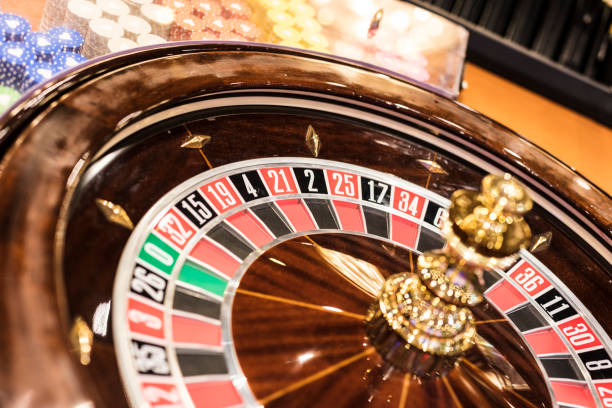
Conclusion: Understanding Player Behavior in Casinos
Understanding the psychology behind casino game choices reveals the complex interplay of emotions, cognitive biases, game design, and social influences. By recognizing these elements, casinos can tailor their offerings to enhance player engagement and satisfaction. This knowledge is invaluable, as it underscores the importance of a holistic approach to player experience that goes beyond mere chance and odds.
Ultimately, exploring the psychology of player behavior highlights why certain games resonate more than others, providing insights that can lead to improved marketing strategies and enriched gaming environments. By catering to the psychological drivers of their patrons, casinos can create a more enjoyable and compelling gaming experience.